Senior Care in Manistee, MI
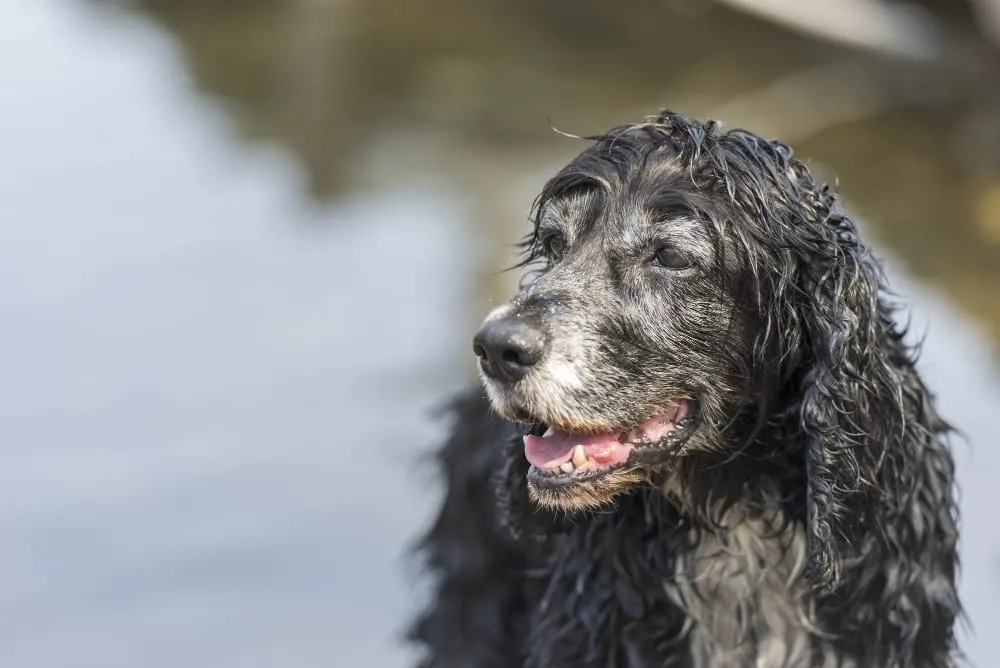
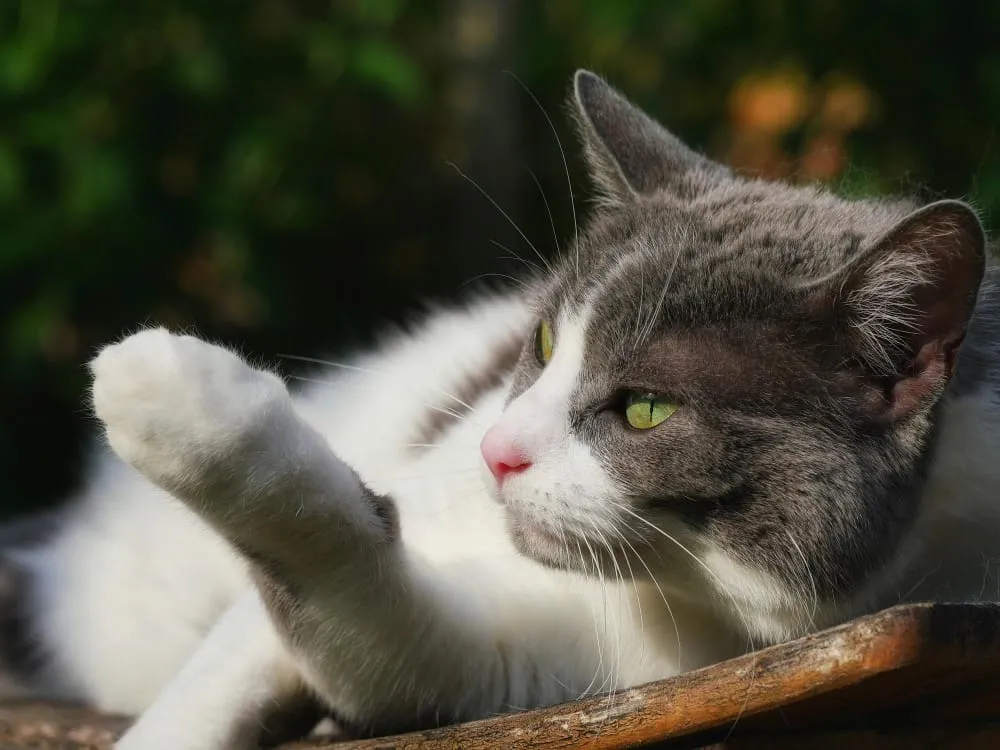
At Manistee Veterinary Hospital, our compassionate veterinary team helps older dogs and cats in Manistee and surrounding communities stay comfortable, active, and well cared for as their needs change.
Understanding Senior Care
As pets age, changes can come on so gradually that they are easy to miss or write off as “just getting old.” Age itself is not a disease, though, and many of the problems behind those changes, such as arthritis, dental disease, kidney or thyroid concerns, and weight changes, can be managed once they are found. Senior care focuses on catching these changes early, when there are often more options to keep your pet comfortable.
Senior visits look a lot like a regular checkup, with a closer look at the things that tend to change with age, including weight, mobility, dental health, and organ function. Our team pairs a careful exam with conversation about what you’re seeing at home, and may recommend lab work through our in-house laboratory. Together, we build a plan for diet, comfort, and the months ahead that fits your pet and your family.

What to Expect During Senior Care
Your senior pet’s visit is designed to be thorough, gentle, and focused on comfort. Here’s how our veterinary team approaches care for older dogs and cats:
Nose-to-Tail Physical Examination
Your veterinarian checks your pet’s weight, body condition, joints, eyes, ears, skin, heart, and lungs, along with a careful look at the teeth and gums. Comparing these findings with past visits helps us notice gradual changes that might otherwise slip by.
A Conversation About Life at Home
Changes at home often say a lot. Come ready to share how your pet is eating and drinking, any changes in weight, energy, or sleep, stiffness or trouble with stairs, litter box or bathroom changes, and new lumps or shifts in behavior.
Screening Tests When Needed
Based on the exam and your pet’s history, your veterinarian may recommend lab work or other tests, such as bloodwork, a urinalysis, or digital radiographs. These can reveal problems that a physical exam alone can’t, often before your pet shows signs of illness.
A Plan for Comfort and Care
We’ll talk with you about diet, mobility, comfort at home, and next steps. Our team explains every recommendation and stays available for questions as your pet’s needs change over time.
Why Senior Care is Important for Your Pet
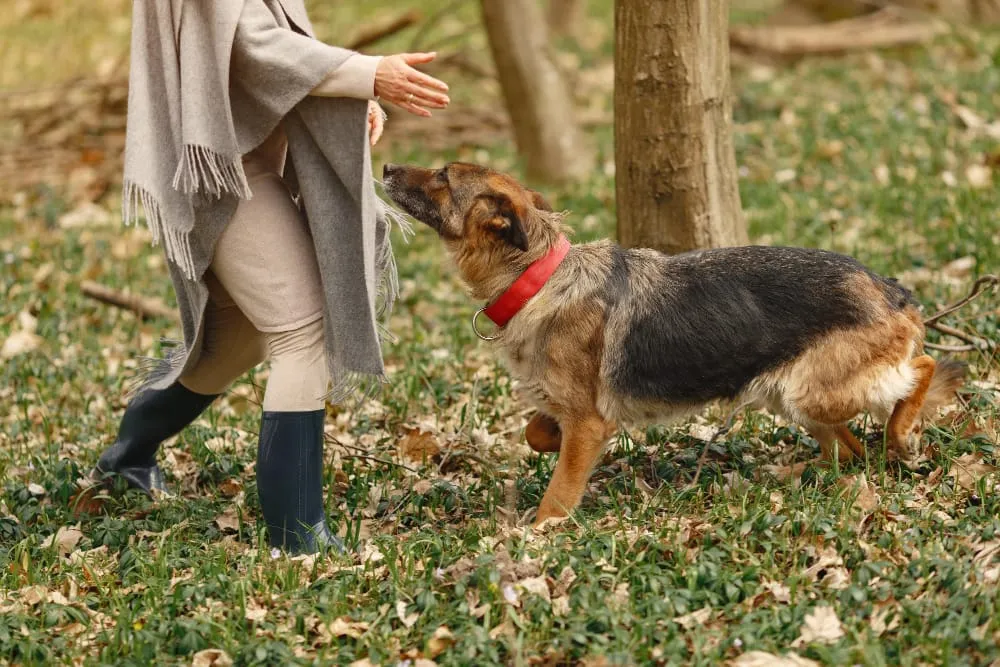
Older dogs and cats are good at hiding discomfort, and many age-related problems develop quietly. Regular senior visits give your veterinarian the best chance to spot changes early, when they are often easier to manage, so your pet can enjoy their later years with more comfort and quality of life.
Early Detection of Age-Related Conditions
Exams and lab work can uncover concerns like kidney changes, thyroid problems, and dental disease before they become serious. Early answers often mean simpler, more effective care.
Comfort and Mobility
A slowdown in activity is often a sign of arthritis rather than simple aging. Identifying joint pain lets us recommend ways to keep your pet moving and comfortable at home.
Support for You and Your Family
Caring for an aging pet brings questions. Our team helps you understand what’s normal, what’s worth watching, and how to make thoughtful decisions for your pet’s well-being.
Signs Your Pet May Need Senior Care
Many changes come on slowly, so it helps to watch for these signs that your older pet should visit Manistee Veterinary Hospital:
- Drinking or urinating more than usual
- Weight gain or weight loss, especially sudden weight loss in a cat
- Stiffness, limping, or trouble getting up
- Confusion, restlessness at night, or accidents in the house
- New lumps or bumps
Bad breath, less interest in play or food, or any change that seems different from your pet’s usual self is also worth a call. You know your pet best, so trust that instinct and let us know.
How Often Should Your Pet Receive Senior Care?
Many veterinary organizations recommend that senior pets be examined about every six months, even when they seem healthy. Pets age faster than people do, so more frequent visits help us track changes over time. When a dog or cat is considered a senior depends on species and size, and our veterinarians will recommend a schedule based on your pet’s age, health, and history. Pets with ongoing conditions may need to be seen more often, and we’ll adjust the schedule as your pet’s needs change.
Practice Highlights
Here’s what sets Manistee Veterinary Hospital apart for senior pet care:
- Personalized Senior Care Plans for each pet’s changing needs
- In-House Laboratory for timely screening
- Digital Radiographs to evaluate joints and organs
- Vehicle and Outdoor Waiting to reduce stress for older pets
- Compassionate, Experienced Team, led by Dr. Carolyn Brown
- Flexible Payment Options, including CareCredit and Cherry Pet Financing
Schedule Your Pet’s Senior Care Appointment Today
Help your older dog or cat stay comfortable with senior care at Manistee Veterinary Hospital. Call us at (231) 723-9000 or visit us at 4006 Chippewa Highway, Manistee, MI 49660, just north of Little River Casino. We’re open Monday through Thursday, 8:30 am to 5:00 pm, and Friday, 8:30 am to noon. Our team is here to support your pet through every stage of life.
Common questions about Senior Care
Still wondering about something? Give us a call and we'll talk it through.
How do I know if my pet is a senior and needs senior care?
It depends on the pet. The AVMA notes that cats are generally considered seniors after about 10 years of age. Dogs vary more by size, because larger breeds tend to have shorter life spans. Many experts consider a dog senior in the last quarter of its expected life span, which can be as early as 6 or 7 years for giant breeds. Call us at (231) 723-9000 if you’re unsure. Source: AVMA
How much does senior pet care cost, and how often should my pet come in?
Costs vary depending on your pet’s exam findings and any recommended tests. AAHA recommends that senior pets, which it describes as dogs older than 7 and cats older than 10, have an exam every six months, even when they seem perfectly healthy. For a personalized estimate, call (231) 723-9000. Source: AAHA
How should I prepare for my senior pet’s visit, and how can I help at home?
Bring notes on any changes you’ve seen in eating, drinking, weight, sleep, mobility, or behavior. The AVMA points out that a drop in activity is often a sign of arthritis, and simple changes at home, like ramps, raised food bowls, and supportive beds, can help your pet stay comfortable. Source: AVMA
What conditions can senior care help detect?
Lab work can reveal problems that a physical exam alone can’t. AAHA lists tests that are often part of senior care, such as a complete blood count, a blood chemistry panel to check kidney and liver function, a urinalysis, and thyroid testing. The AVMA also describes cognitive dysfunction, which can cause disorientation, sleep changes, and house soiling, though pain and other illnesses can look similar. Source: AAHA Source: AVMA
How do I schedule a senior care appointment, and where are you located?
To schedule your pet’s senior visit, call (231) 723-9000. Manistee Veterinary Hospital is located at 4006 Chippewa Highway, Manistee, MI 49660, just north of Little River Casino. Our hours are Monday through Thursday, 8:30 am to 5:00 pm, and Friday, 8:30 am to noon.
Have a question? We're glad to help.
Call us or request an appointment online, and our team will take it from there.