No Lobby Waiting. Curbside Check-In. Call or text when you arrive

Manistee Veterinary Hospital

Manistee Veterinary HospitalManistee Veterinary HospitalManistee Veterinary Hospital

Manistee Veterinary Hospital

Manistee Veterinary HospitalManistee Veterinary HospitalManistee Veterinary Hospital
  • Home
  • PET SERVICES
  • LOCATION
  • ABOUT US
  • Pet Care FINANCING
  • Pet PHARMACY
  • CLIENT GALLERY
  • SCRATCHING POST for CATS
  • DOGGONE' IT for DOGS
  • CAREERS
  • Helpful PDF's
  • Memorials
  • TESTIMONIALS
  • POLICIES & PAYMENTS
Happy dog surrounded by torn stuffing and a destroyed toy on wooden floor.
WHAT'S GOING ON WITH MY DOG

dOGGONE' IT

DOGGONE IT, SHARES NEWS, TIPS & TRICKS FOR YOU & YOUR CANINE FRIEND!

Spring Worries for Dog Owners to Avoid

Spring’s beauty comes with hidden dangers. Stay alert to toxic plants, chemical exposure, allergies, parasites, and heat. With awareness and simple preventative measures, you can enjoy the season while keeping your dog safe and healthy. Spring brings longer days, warmer weather, and lush greenery — but it also introduces several seasonal hazards that can harm your dog if not managed.  


Here are the top concerns and how to protect your pet.


1. Toxic Plants and Flowers
Many beautiful spring blooms are dangerous if ingested:

  • Daffodils, tulips, hyacinths, bluebells, primroses, lilies, azaleas, rhododendrons, foxglove, iris, lilacs, hydrangea, sago palm, wisteria, crocus 
  • Bulbs and seeds are often the most toxic; symptoms can include vomiting, drooling, diarrhea, lethargy, loss of appetite, abdominal pain, and in severe cases, heart rhythm disturbances or collapse 
  • Prevention: Keep dogs on a short leash near flower beds, avoid digging in gardens, and check plants before letting them roam.


2. Pesticides, Herbicides, and Lawn Chemicals
Spring lawn care often involves chemical treatments. Dogs can be exposed by licking paws or rolling in treated grass.

  • Prevention: Avoid walks on freshly treated lawns (24–72 hours after application), wipe paws after outdoor time, and choose pet-safe lawn products.


3. Seasonal Allergies
Pollen from trees, grasses, and weeds increases in spring, causing itching, redness, ear infections, sneezing, and paw chewing. 

  • Prevention: Rinse paws and coat after walks, use medicated shampoos, keep bedding clean, and consider allergy management from your vet.


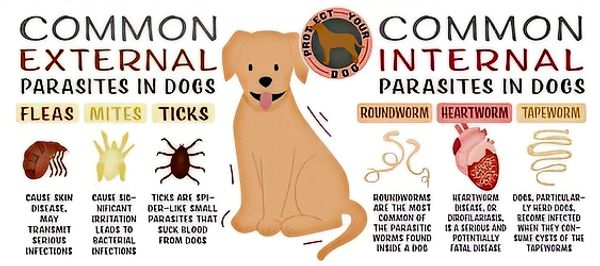
4. Parasites (Fleas, Ticks, Mites)
Warmer weather boosts parasite activity, especially in grassy or wooded areas. 

  • Prevention: Use vet-recommended preventatives year-round, check ears, neck, under collar, between toes, and groin after outdoor trips, and treat infestations promptly.


5. Heat and Hydration Risks
Longer days and warmer temperatures can lead to overheating, especially in shaded or grassy areas.

  • Prevention: Provide shade, fresh water, and avoid prolonged outdoor activity during peak heat.


6. Bee Stings and Other Insect Hazards
While rare, bee stings can be fatal for allergic dogs. 

  • Prevention: Keep stings away from allergic pets; carry an EpiPen if prescribed.


7. Heartworm Risk
Mosquitoes breed in warm weather, transmitting heartworm disease. 

  • Prevention: Year-round heartworm prevention and annual testing.


Dog Parasites-What to know...

NOT SO FUN FACTS


They travel by air, though you may not be aware.
Their nose, like a dart, can send a worm to the heart.


MOSQUITO'S

Heartworm microfilaria are so small that they can be transmitted through the needle-like nose of an infected mosquito.


Ticks can infect with diseases like Lyme, and when they feed they can grow by how many times?


Ticks can drink so much blood that their bodies enlarge by up to 4 times.


 You'd be foolish to think they live only in dirt. In fact, they're among the oldest beings on earth.


Roundworms are members of the Nematoba family and have been around for almost 

1 BILLION years.


 They’re known for their bite and incredible strength, just how many times can a flea jump its own length?


Fleas have been known to jump over 20 inches, which is 150x their own size!


Benefits of Having a Pet

Learn more about the positive effects pets have on our health and wellbeing.


Pets Have a Big Impact on Mental Health

As many as 1-in-5 Americans will have a diagnosable mental health condition in any given year. Pets have been shown to improve mental health while reducing stress, anxiety, and depression.


Alleviating Symptoms of Depression

Research has found that pets can serve as an important source of social and emotional support that positively impacts mental health. That’s why therapy animals or pets are increasingly included in depression treatment plans.


Dealing With Stress

Owning a pet can significantly lower heart rate and blood pressure in response to stress. So in those moments where life might be a bit too much, a pet can help keep you calm.


 Improve Overall Wellbeing

96% of pet owners agreed that their pets have a positive impact on their life. 73% of pet owners said their pet enhances their mental health.


Stay Updated on Pet Care

Manistee Veterinary Hospital

4006 Chippewa Hwy, Manistee, MI 49660

(231) 723-9000

Copyright © 2026 Manistee Veterinary Hospital - All Rights Reserved.

Powered by

12 month flea & tick injection

We're excited to announce that the Bravecto Quantum Injection will be COMING SOON!

This website uses cookies.

We use cookies to analyze website traffic and optimize your website experience. By accepting our use of cookies, your data will be aggregated with all other user data.

Accept